AN UNASKED MOMENT AT THE PARLIAMENT
The session took place in 2020, at a point when the heaviest Covid restrictions had finally eased. After weeks of limited movement, being outside again felt unfamiliar. The city was quieter than usual, but not empty. People were returning to public space carefully, without urgency.
I had photographed the model before. We already knew how to work together, so there was no long planning and no pressure to perform. We agreed to meet at the Scottish Parliament and let the place dictate the pace. No strict concept. Just time, space, and attention.
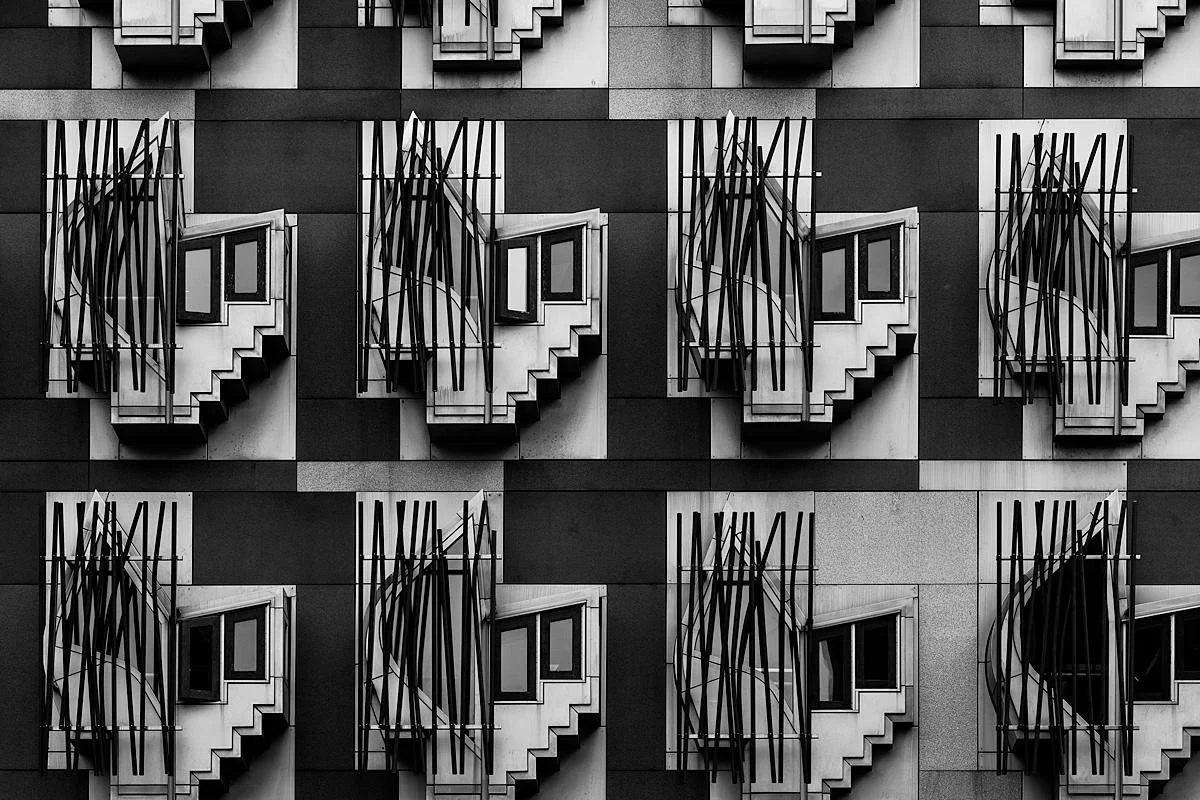
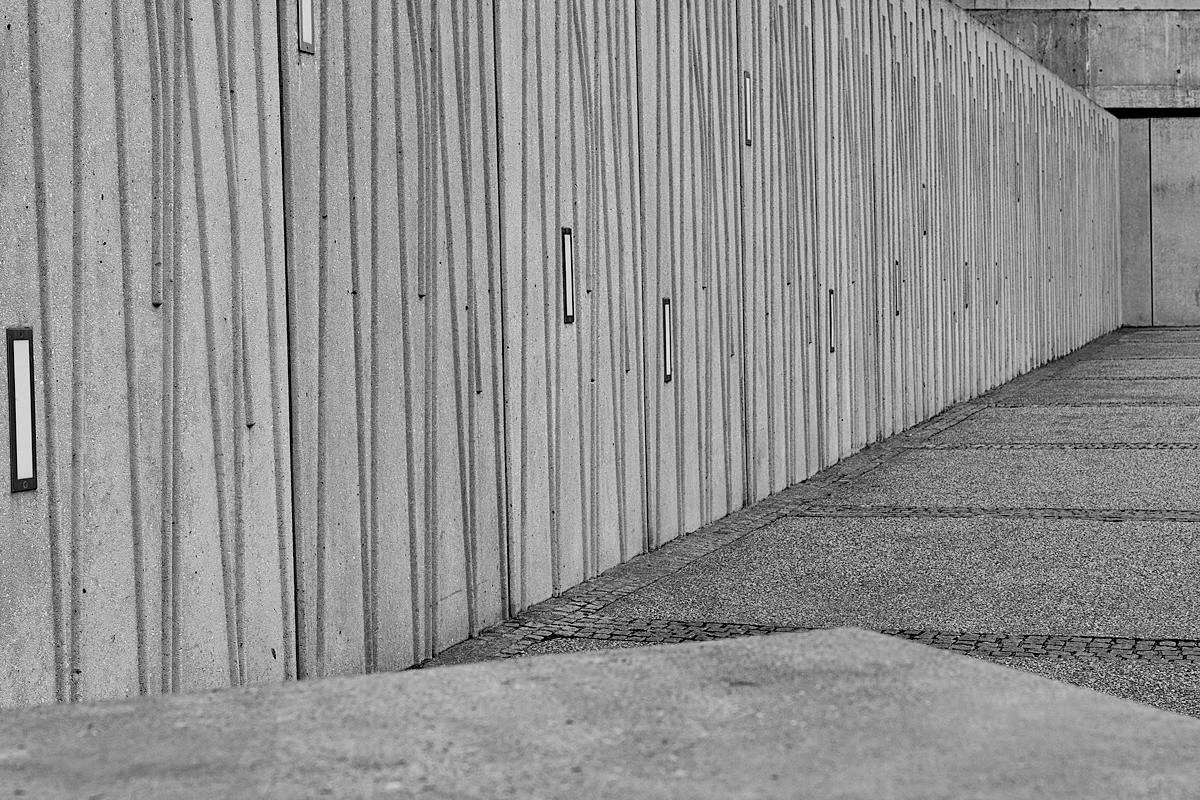
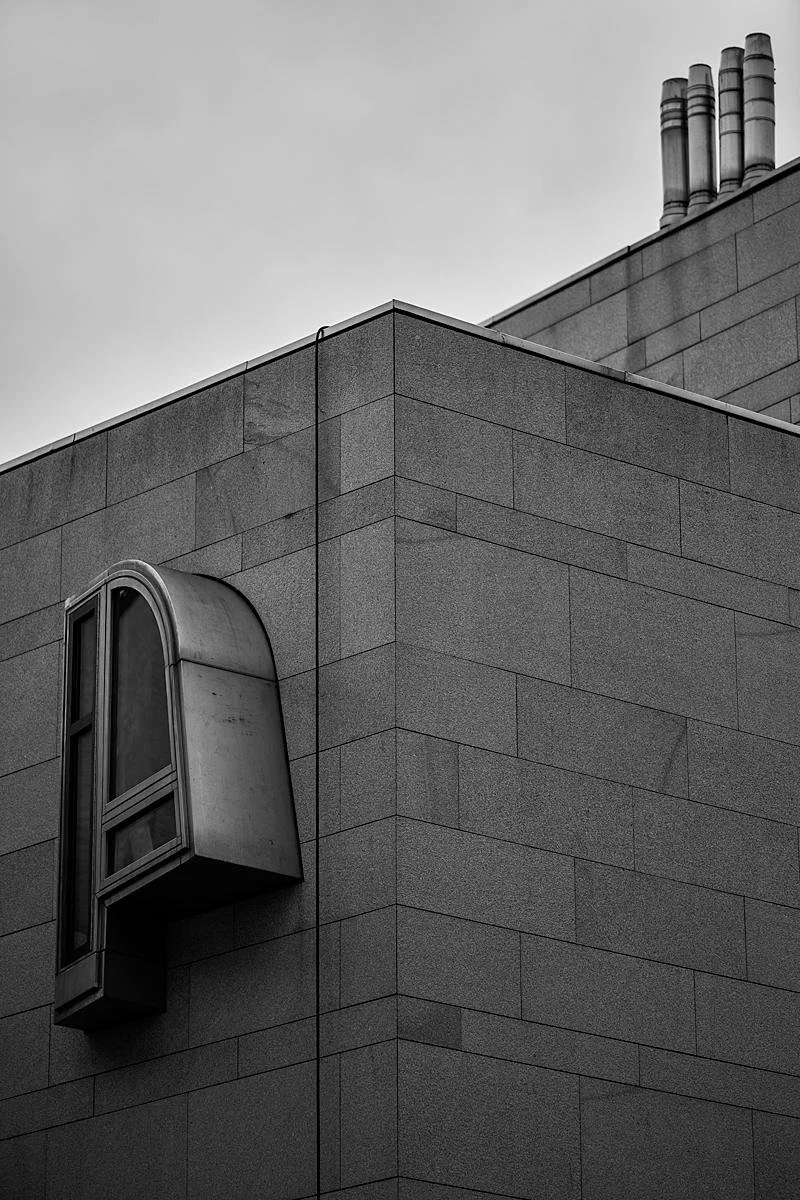
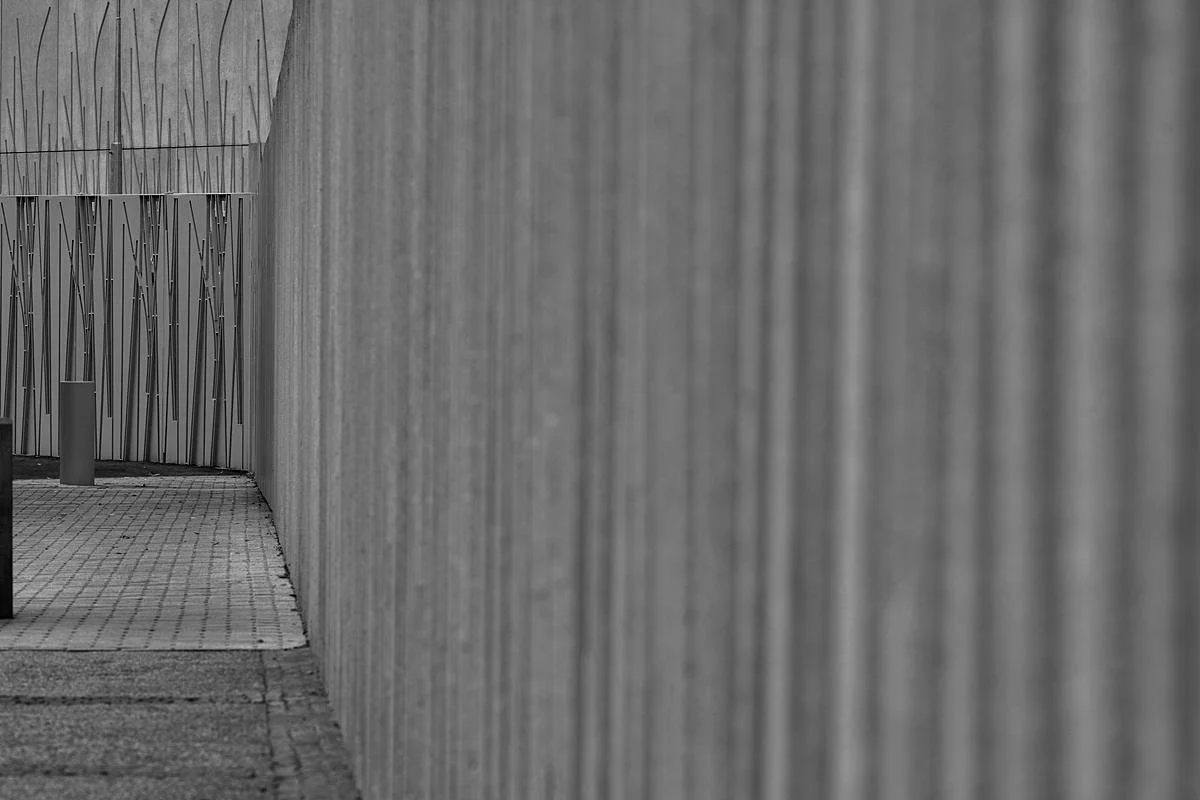
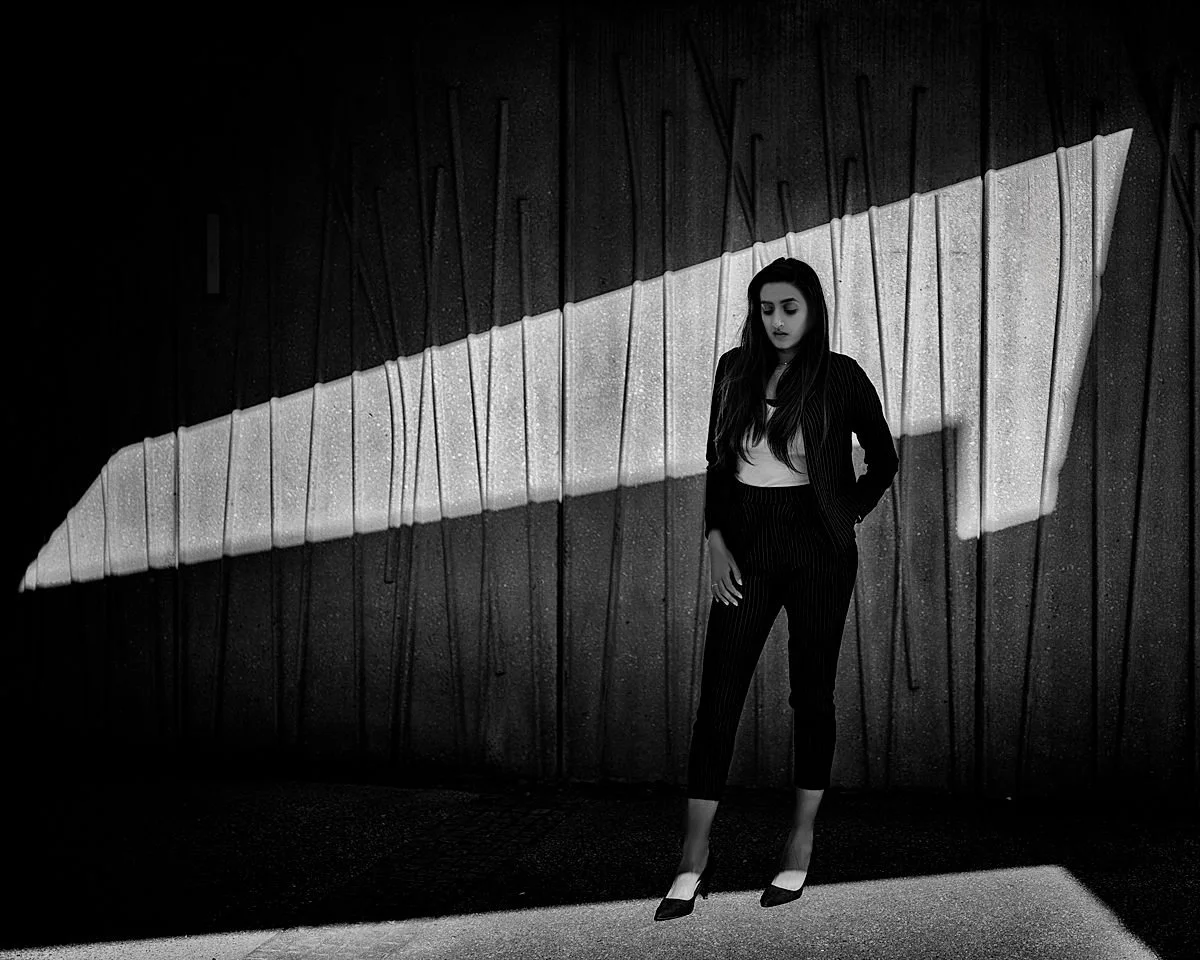
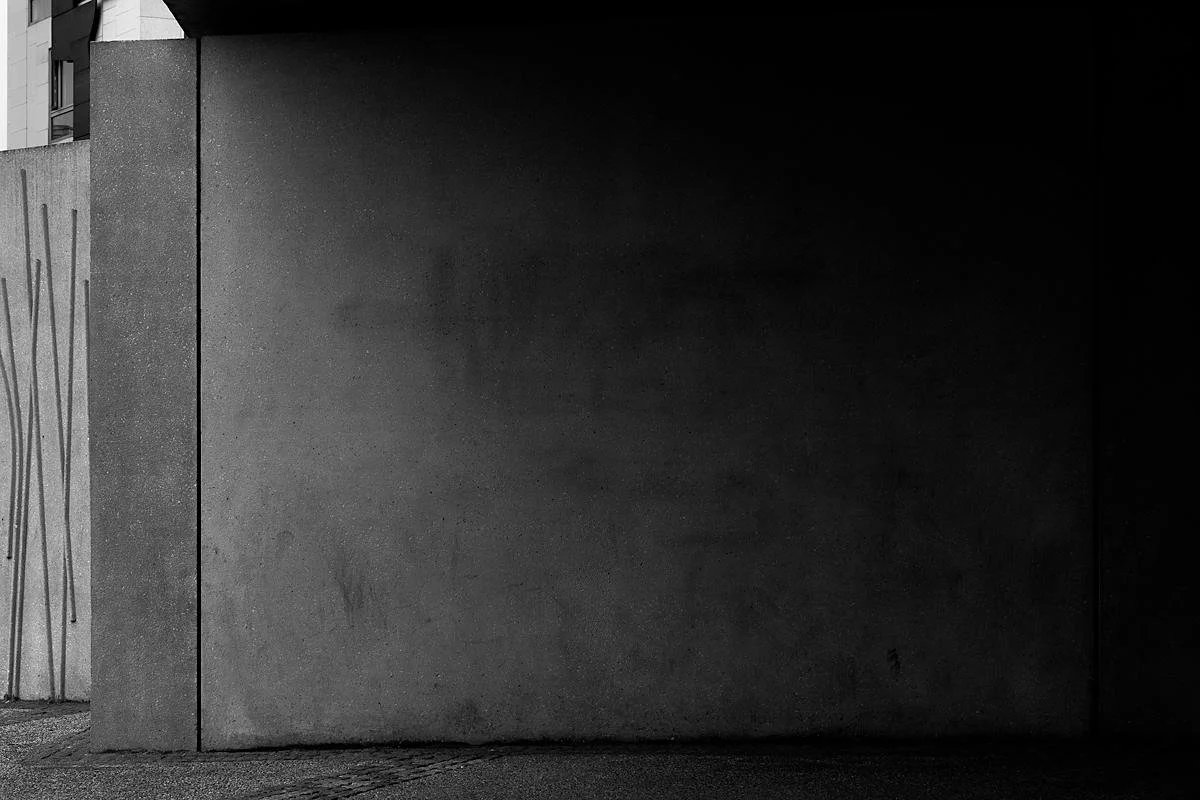
The building itself carries weight. Set against the slope of Arthur’s Seat, it sits between the old city and the landscape. Modern, heavy, and unmistakably institutional. In 2020, that presence felt amplified. The architecture wasn’t a backdrop. It was part of the moment.
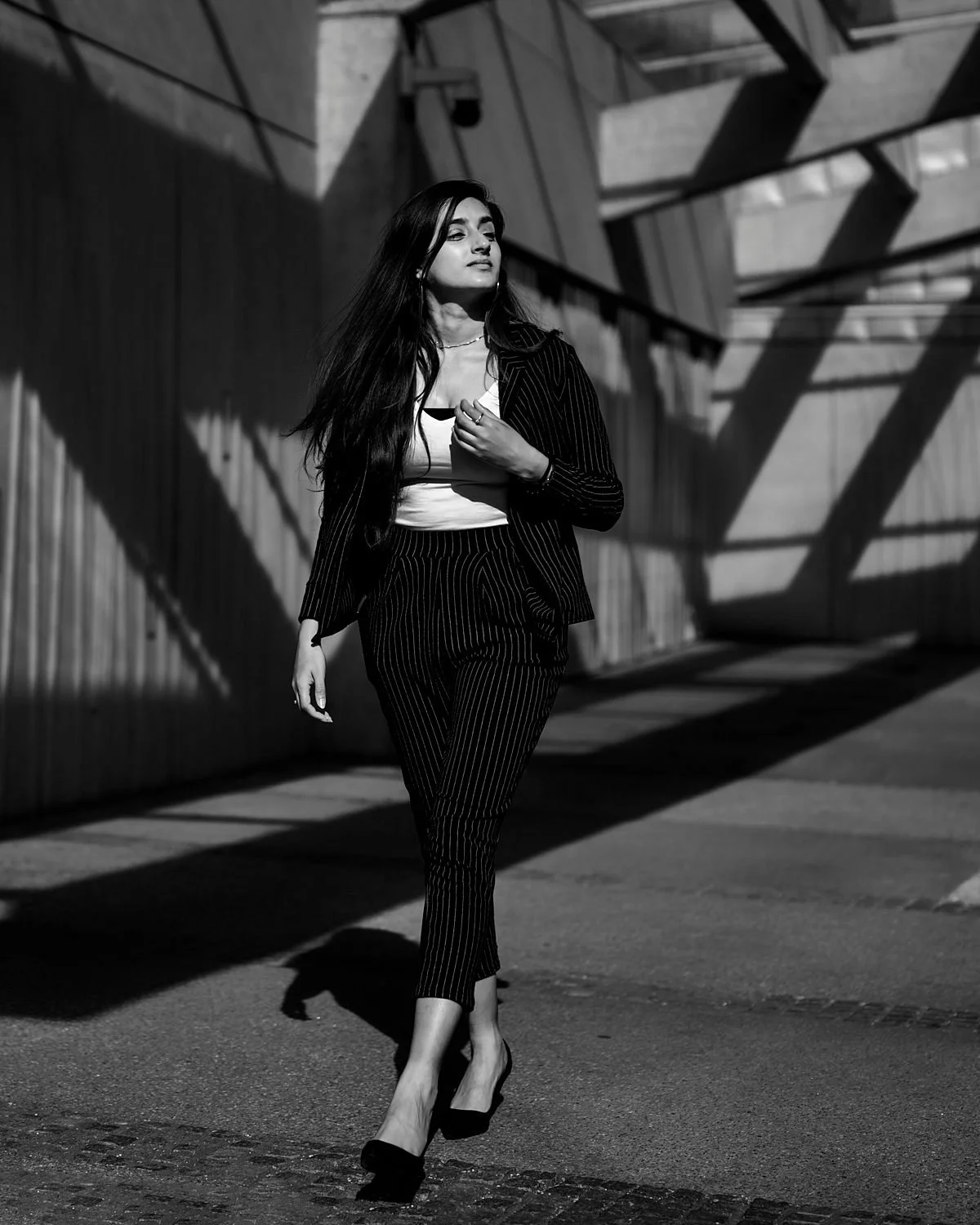
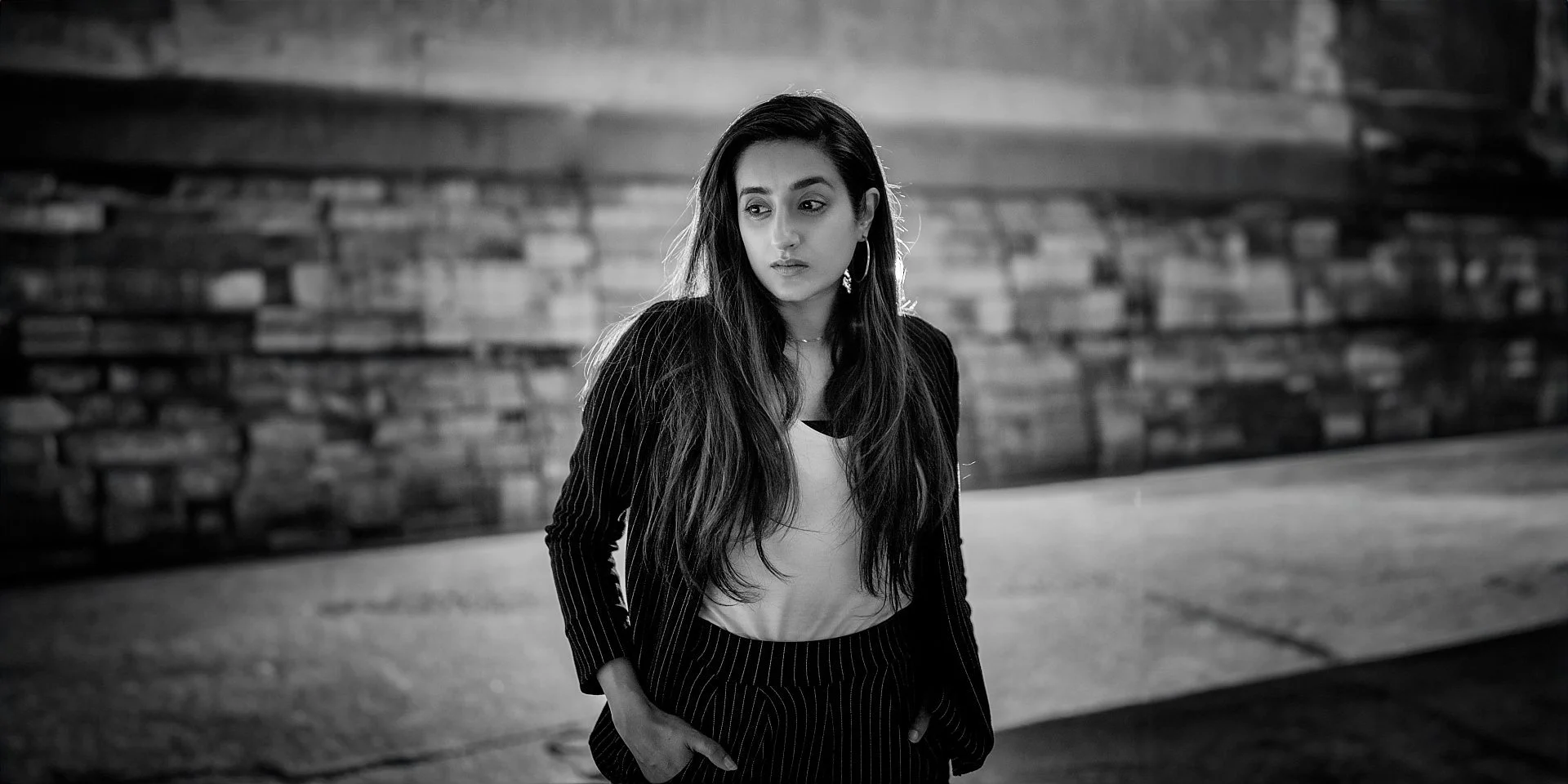
We moved slowly through the space. Standing, waiting, walking. Small gestures. Pauses between movement. Nothing was directed. The structure framed her rather than overwhelmed her. Lines and surfaces created tension, but left room for the human presence to breathe.
Light shifted constantly across concrete, glass, and skin. At times it was hard and exact, at others soft and diffused by cloud. Each change altered the mood. Each frame belonged to a specific moment and could not be repeated.
There was wind. There was distance. There was an unspoken awareness of context. This was not just a portrait session, but a meeting between a person and a public institution during a fragile moment in time.
What remains is not a study of architecture, and not a traditional portrait series. It is a quiet record of presence. Of being there, after absence. Of a moment that didn’t need to be asked for, only noticed.